Nature, Food & Community (Agroecology & Permaculture)
Regenerative, inclusive and community‑led ecological futures
Food, Nature & Community is the heart of our work — where agroecology, permaculture design, community insight and accessible land‑based learning come together to create meaningful, long‑term change. We explore how food systems, ecological learning and nature‑connected wellbeing can support healthier lives, stronger communities and regenerative futures.
Our approach recognises that food, environment and opportunity are deeply connected: the environment shapes our health, our health shapes our opportunities, and our opportunities shape our future. By improving the ecological and social environments people live in — from food systems to outdoor learning spaces — we help build resilience, restore ecosystems and expand access to land‑based futures.
Our Ecological Approach
Our work sits within agroecology and regenerative permaculture, shaped by:
lived experience
ecological design and insight
community leadership
accessibility and inclusion
evidence, research and practical learning
We believe food systems should restore land, support wellbeing and strengthen local communities. They should be accessible, ethical and rooted in ecological integrity — not exclusive or harmful to ecosystems.
Our approach centres wild, low‑impact and non‑intrusive relationships with the natural world, ensuring regeneration remains ethical, restorative and open to everyone — including people often excluded from traditional land‑based environments.


Current Work: Inclusive Ecological Food Systems Project
(Feasibility Stage — Funded by National Lottery Awards for All)
The Inclusive Ecological Food Systems Project is an 18‑month agroecology‑led feasibility study exploring how accessible, mixed‑ecology land systems could support people, nature and community resilience.
This early stage focuses on understanding:
- What future ecological food environments could look like
- Who they could benefit
- How they can be designed to be genuinely inclusive
- How ecological systems can support long‑term community resilience
- How land‑based learning can be shaped around diverse needs
We explore broad themes such as:
- Regenerative agroecology and permaculture‑informed design
- Community‑led growing and nature‑based learning
- Sustainable and circular food pathways
- Mixed‑ecology systems that work with the climate
- Accessible, inclusive land‑based activity
- Cultural, practical and environmental barriers to land access
- Ethical food and protein pathways within ecological systems
Protecting the Project’s Integrity
Because this feasibility work is funded and still in development, we share only high‑level themes publicly. The detailed model, design process, and specific insights remain confidential until the project moves into its next phase.


Barriers to Permaculture and Agroecology
Why accessibility and inclusion must be designed in — not assumed
Although permaculture and agroecology are often described as inclusive, many land‑based environments remain inaccessible or restricted. Our work addresses these barriers at structural, cultural and ecological levels.
Key Barriers to Inclusion
- Structural & Legal: Private land ownership, limited public access, insurance and regulatory gaps.
- Physical: Uneven terrain, steep gradients, water hazards and lack of accessible facilities.
- Sensory: High sensory load, unpredictable environments and limited quiet spaces.
- Communication: Specialist language, limited signage and inaccessible information.
- Cultural & Social: Exclusive group dynamics, limited representation and intimidating spaces.
- Financial & Time: Course fees, equipment costs, travel, childcare and long training formats.
- Ecological Infrastructure: Fragile systems that restrict access to protect biodiversity.
- Ideological: Closed‑loop preferences, avoidance of regulation and protection of specialist knowledge.
- Commercialisation: Paid courses and monetised knowledge limiting access for low‑income learners.
- Design Gaps: Lack of universal design principles, accessible paths, sensory‑friendly zones or inclusive seating.
- Limited Engagement: Few projects consult disabled communities or include them in design processes.
- No Sector Framework: No standardised accessibility guidance for permaculture or agroecology.
Our Position
These barriers are not inherent to ecological design — they are the result of private land models, lack of regulation and absence of inclusive planning. Our work aims to address these gaps through accessible, community‑centred agroecological design.
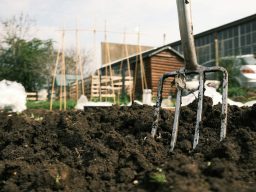
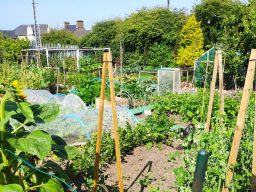

Land: Regenerative, Low Impact & Accessible Systems
We explore how land‑use approaches can support environmental benefit, biodiversity, accessibility and community involvement. This includes:
- Mixed‑ecology systems
- Habitat creation
- Pollinator support
- Ecological restoration
- Low‑impact design
- Inclusive outdoor spaces
Our land‑use thinking focuses on systems that work with natural processes, support wellbeing and create regenerative spaces that benefit both people and wildlife.


Ecology, Food Systems, Nature Connection & Learning
We explore ecological food systems, wild‑system food models and nature‑based learning that support:
- Affordable food access
- Wellbeing
- Sustainable livelihoods
- Cultural connection
- Sensory‑friendly outdoor experiences
We help shape ideas for ethical, accessible and community‑focused ecological learning content that supports regenerative thinking and inclusive participation.


Agroecology and Permaculture Design Service
Agroecology and permaculture are systems‑thinking approaches that help communities design environments that are resilient, inclusive and regenerative. Our design service supports organisations, community groups and local authorities to create projects that regenerate land, people and community capacity.
What Regeneration Means
Agroecology and permaculture help communities design projects that:Improve food security
- Enhance biodiversity and soil health
- Create nature‑based wellbeing spaces
- Reduce waste and support circular local economies
- Build community resilience through shared skills
- Integrate environmental and social outcomes
Our Design Approach
Understanding people and place:
- We begin by exploring land, community needs, existing skills, local assets and environmental conditions.
- Co‑design and community participation: Accessible workshops, listening sessions and collaborative planning ensure designs reflect diverse needs.
- Agroecology and permaculture‑led design: We create simple, maintainable systems that support food security, biodiversity, soil health and wellbeing.
- Practical implementation planning: Phased development, skills‑building pathways, maintenance strategies and resource‑mapping support long‑term success.
- Long‑term resilience and community impact: We help groups plan for stewardship, leadership, ongoing learning and impact measurement.
Get Involved
If you’d like to support our ecological work, contribute insight, collaborate on community‑led design, or take part in our steering and participation activities, you can find all opportunities on our Participation & Community Involvement page. We offer flexible, accessible ways for people to engage with early‑stage ecological design, community insight and regenerative learning — shaped around individual needs, availability and comfort.
Visit our Participation page to learn more.