Regenerative Food Landscapes
Regenerative Food Landscapes is our flagship project to create a new kind of food system — one that is ecological, humane and rooted in the landscapes and communities it serves. This is not a farm and not a theoretical model. It is the early design stage of a real, visitable wild‑food environment where people, wildlife and food production can coexist.
At Feed Our Communities CIC, we are exploring the deeper, often overlooked questions that shape how people interact with land, wildlife and food. Our work brings together ecology, ethics, community insight and practical land stewardship to shape a food system that restores ecosystems while supporting local resilience.
Most food‑system work focuses on yields, emissions or agricultural efficiency. Future Food Design looks at the spaces in between — the places where food systems, wildlife, land use and community needs overlap. These areas are rarely explored in practical, community‑scale projects, yet they hold the key to creating food systems that work with nature rather than against it.
Through this exploratory phase, we are examining how regenerative, low‑infrastructure and semi‑wild systems function in real landscapes. The aim is to identify workable, grounded pathways that allow food production and ecosystems to thrive together — forming the foundation for a future site that people will be able to visit, learn from and participate in.
Land & Ecological Systems
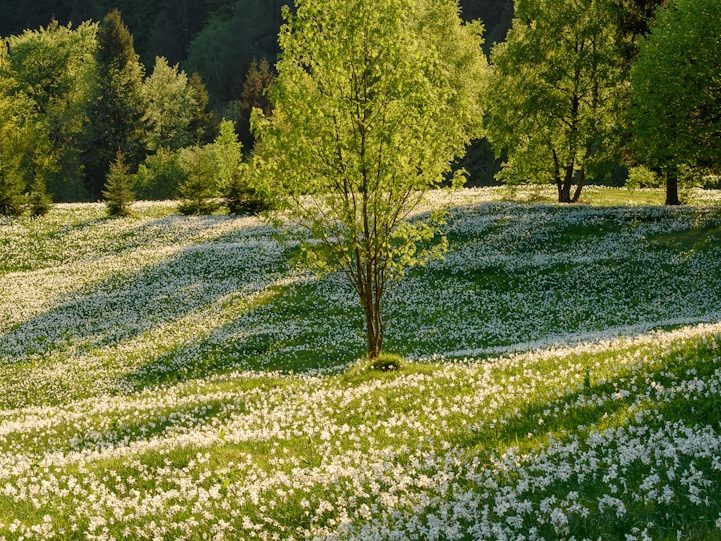
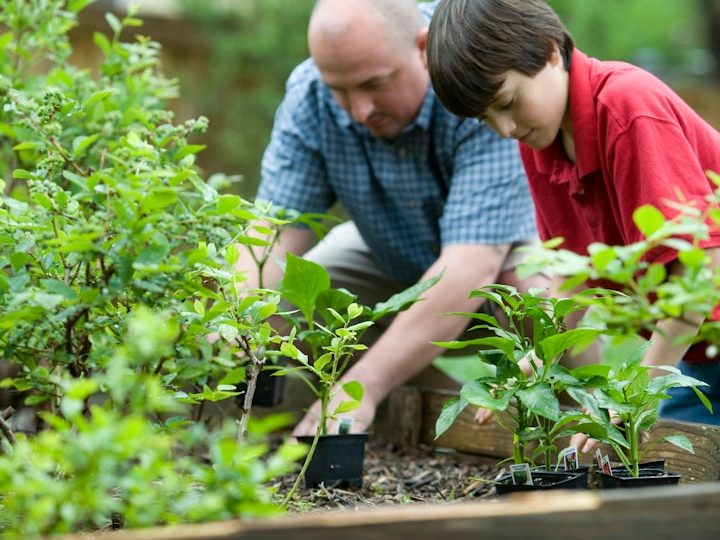
This part of the project explores how landscapes can be designed or restored to support biodiversity, resilience and meaningful community use. We are exploring low‑infrastructure, regenerative and semi‑wild landscape models — including food forests, hedgerow corridors and wild‑meadow environments — to understand how these systems can operate as living, accessible ecosystems. This design work will guide how these environments are created in practice.
A key aim is to shape environments that are sensory‑friendly, inclusive and welcoming for people who face barriers to conventional land‑based activities. By observing how different habitats behave and interact, we are building the foundations for a future wild‑food system that works with natural processes instead of against them.
This work is not theoretical. It is the groundwork for a real, visitable environment where people will be able to learn, explore and experience a new kind of food system in practice. The insights gained here will directly inform the design of a sustainable, replicable model that communities can benefit from long‑term.
K
Key questions we are exploring:
- Could habitat‑based deterrence protect crops while improving biodiversity
- What conditions allow wild‑living species to thrive without intensive management
- How can mixed‑ecology landscapes support both natural processes and community access
- Can low‑infrastructure systems reduce environmental degradation compared to intensive farming


Wildlife, Disease & System Design
This strand of the project looks at how different land‑use choices and ecological designs shape the way wildlife, livestock and people interact. Instead of relying on confined systems or reactive measures like culling, we are exploring how whole‑system design can reduce conflict, lower disease risk and support more humane, nature‑aligned food environments.
By examining alternatives to conventional livestock systems, and by looking at how habitat structure influences behaviour, movement and stress, we aim to understand how a future wild‑food environment can function safely and ethically. The goal is to create a landscape where animals can live with greater freedom, where disease pressures are naturally lower, and where people can engage with the environment without contributing to harm or fear.
Key questions we are exploring:
- What system‑level factors reduce the need for wildlife culls?
- How can ecological design lower disease risk while supporting biodiversity?
- How does habitat structure affect disease transmission between species?
- What nature‑based methods can reduce disease risk without chemicals or technology?
- How can food‑system design reduce reliance on confined livestock systems


Food Security, Inclusion & Wild Systems
This strand of the project explores whether mixed‑ecology and semi‑wild food environments could offer communities new, affordable and inclusive ways to access food. Instead of relying on conventional growing spaces or intensive farming, we are looking at how food forests, hedgerow corridors, wild‑meadow forage and free‑living species might contribute to a more resilient, community‑led food system.
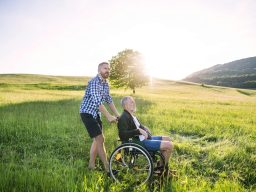
A key part of this work is understanding how wild‑system foods can be made accessible to people who face barriers to traditional growing — including sensory needs, mobility challenges, low income or limited access to land. We are also exploring how these environments could support skills, confidence, wellbeing and small‑scale enterprise within the community.
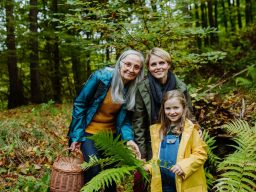
The long‑term aim is to create a visitable wild‑food environment where people can learn, forage, participate and benefit from a system that works with nature, not against it.
Key questions we are exploring:
- Can wild‑system foods help reduce household food costs
- How can mixed‑ecology food spaces be designed to be inclusive and sensory‑friendly
- How might semi‑wild or low‑infrastructure food systems work at a community scale
- How do people perceive wild food and what limits access
- What role can community‑led stewardship play in food security
- Can humane fear‑free harvesting reduce reliance on livestock
- Could wild‑system models create routes into skills confidence or micro‑enterprise

Current & Emerging Projects
We are building a multi‑phase research programme informed by the questions outlined above. Current and emerging strands include:
- Community Design (pending)
- Environmental & Ecological Feasibility (seeking funding)
- Ethical Farming Documentation (seeking funding)
- Disease & Welfare Analysis (seeking funding)
- Policy & Regulatory Engagement (planned)
These research questions and project outlines represent the early development phase of a wider programme that we are now seeking funding to deliver.