Land-based Permaculture
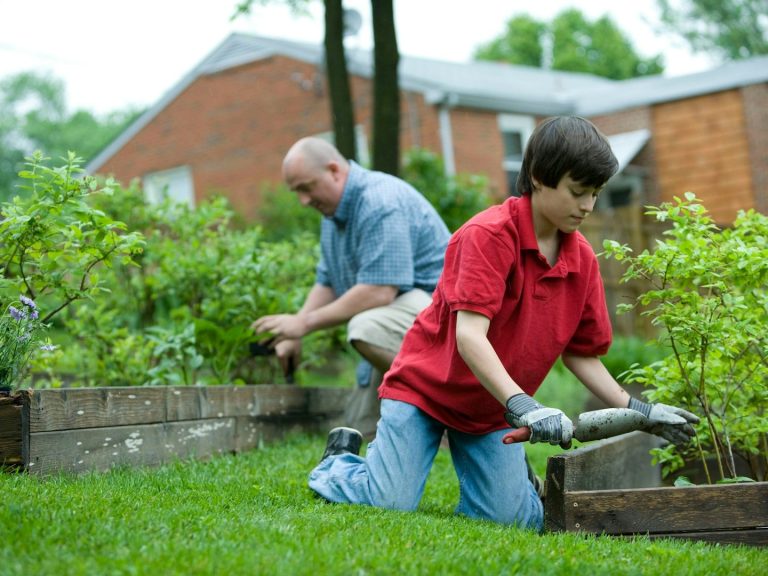
Between 2013 and 2018, Feed Our Communities CIC ran a small‑scale allotment pilot to understand whether community growing could meaningfully contribute to local food security. The aim was simple but important:
To explore whether small‑scale growing could meet community needs and whether it could form the foundation for wider land‑based or farming initiatives.
The allotments offered a low‑cost, accessible starting point where we could learn, experiment and build relationships with local growers.
What We Learned
The pilot revealed both the strengths and the limitations of allotment‑based food production. These insights now guide our move toward more regenerative, inclusive and scalable land‑use models.


What Worked Well
Even with limited resources, the pilot demonstrated the real value of community growing spaces:
- A place for people to come together
The allotments created a welcoming environment where people could meet, share skills and support one another. - A showcase for small‑scale gardening
The project helped people with limited garden space learn how to grow food in compact, manageable ways. - Opportunities for companion planting
Even within small plots, we demonstrated simple ecological practices that support soil health and biodiversity. - Affordable and accessible for beginners
Allotments remain one of the most cost‑effective ways for people to start growing food. - Supportive of community initiatives
Many allotment communities were enthusiastic about collaborative projects, workshops and shared learning. - Relatively easy to join (in some areas)
Where waiting lists were shorter, new growers could get involved quickly.


Challenges Identified
The pilot also highlighted structural barriers that limit the role allotments can play in long‑term food security:
- Limited accessibility
The site was not wheelchair‑friendly, restricting who could take part and highlighting the need for inclusive design in future projects. - Long waiting lists
Demand for plots was high, but availability was low, making it difficult to scale community involvement. - Restricted growing space
Allotments offer only small plots, limiting food output and preventing testing of larger‑scale methods. - No financial sustainability
Produce from allotments cannot legally be sold, meaning the project could not generate income or support itself financially. - Unknown land history
We had no clear information about previous chemical use on the plots, making it difficult to ensure soil health or adopt organic principles confidently. - Resistance to regenerative methods
Some committees preferred traditional cultivation and were hesitant about no‑dig gardening or permaculture approaches, limiting experimentation.

Social Supermarket Exploration (2022–2025)
We explored the feasibility of establishing a social supermarket to support local food access. The project aimed to provide affordable food, reduce waste and create a welcoming community space for people facing financial hardship.
Potential benefits we identified
- increased access to low‑cost, good‑quality food
- reduced stigma compared to traditional food banks
- opportunities for community connection and support
- a more sustainable approach to food redistribution
- a stepping stone toward wider food‑system change
Limitations we encountered
- no suitable venue available in the local area
- existing provision (social supermarkets and food banks) already met much of the need
- limited capacity to run a retail‑style operation without dedicated premises
- the model didn’t align fully with our long‑term focus on land, nature and regenerative systems
How this shaped our current direction
Although the social supermarket did not progress, the exploration phase was valuable. It helped us understand
- The limits of redistribution‑based food models
- The need for deeper, systemic approaches to food access
- The importance of connecting food with land, nature and wellbeing
- The gap for community learning around regenerative food systems
- The need for outdoor, inclusive, sensory‑friendly environments
This learning directly informed the development of our current Regenerative Food Access & Community Learning Project, and our move toward creating a LAND‑style project rooted in ecological design, community resilience and nature‑based learning.


Why This Matters Today
This pilot project provided essential evidence:
small‑scale allotment growing alone cannot meet community‑level food security needs.
These findings now underpin our current work exploring:
- regenerative land‑use models
- inclusive and accessible design
- ethical and sustainable food systems
- scalable approaches to community food security
The pilot was the first step in a much larger journey — one that now informs the Future Food Design project.