Research and Insights
Exploring the questions that shape our future land‑based work
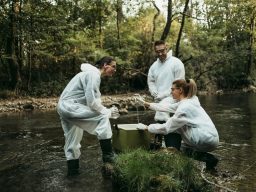
Our research is at the beginning of a new phase. As we move toward developing a real, community‑accessible land project, we are exploring the questions that will shape how that environment is designed, built and used.
This is not academic research and not a completed body of work.
It is practice‑led exploration — the groundwork that informs our design decisions, our workshops, our education offer and the development of our future wild‑food environment.
We share what we learn as we go, so communities can benefit from the journey as well as the final outcome
What We Are Exploring
Our research grows directly from the early design work of the Regenerative Food Access & Community Learning Project. These questions guide our thinking and will shape the future site as it develops.
We are exploring:
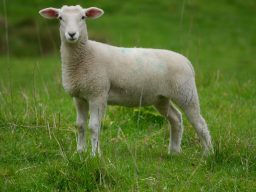
- how food systems interact with wildlife and natural processes
- how regenerative and semi‑wild landscapes could support community wellbeing
- how low‑infrastructure approaches might reduce environmental impact
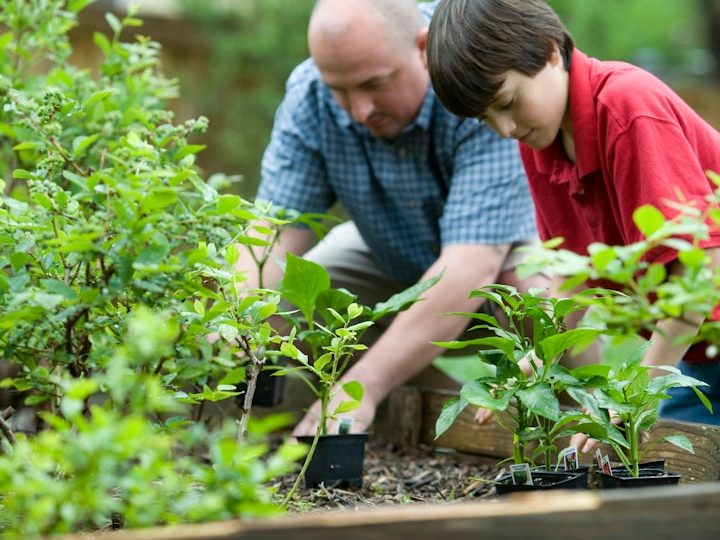
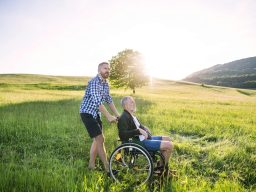
- how inclusive, sensory‑friendly environments can open up land‑based activities
- how community‑led food systems can improve resilience
These insights help us design practical, accessible solutions that work for both people and ecosystems.


Themes guiding our research
- Exploring how wildlife‑friendly habitats can reduce crop damage without relying on fencing or chemicals
- Understanding the conditions that allow wild‑living species to coexist with food production
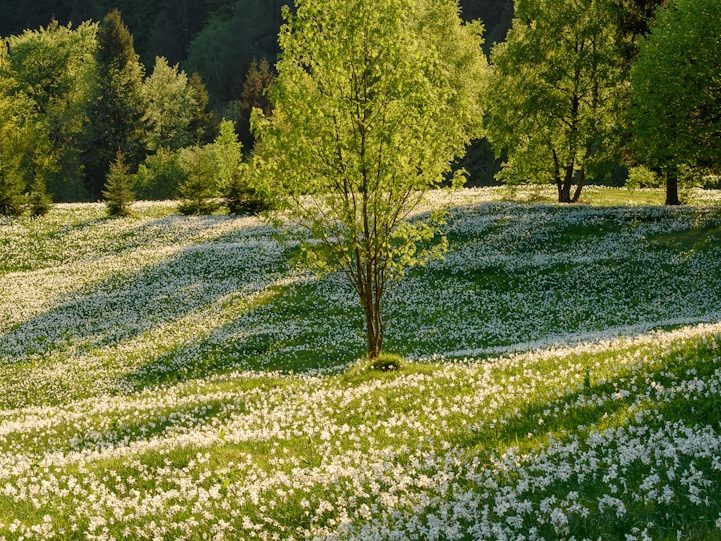
- Investigating how mixed‑ecology landscapes can support both natural processes and community access
- Examining whether low‑infrastructure systems can reduce environmental degradation compared to intensive farming
- Identifying ways food systems can be designed to work with natural processes
- Considering how outdoor environments can be made accessible and welcoming for people with sensory or physical barriers


Why This Matters
Food systems are often discussed in terms of:
- yields
- emissions
- efficiency
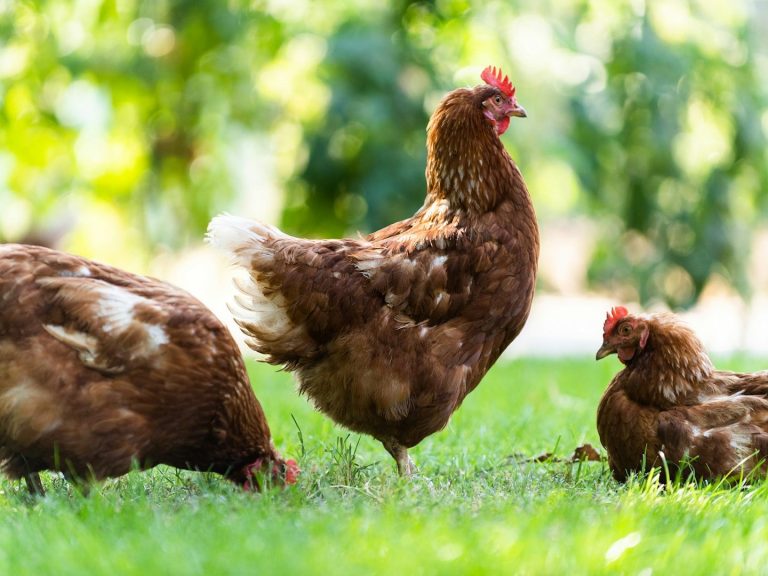
But the relationships between land, wildlife, people and food are rarely explored in community‑scale projects.
Our research focuses on these overlooked areas because they hold the key to creating food systems that are:
- regenerative
- humane
- accessible
- community‑led
- ecologically balanced
This work helps us design environments that support both biodiversity and human wellbeing.

How We Share Our Learning
Because we are at the start of this phase, our research is shared through:
- talks and presentations
- community workshops
- early‑stage courses
- accessible learning materials
- practical demonstrations as the project develops
We teach as we go, so people can learn alongside the development of the project.